

You type a simple line, something like "two stars fight on a rooftop at sunset." You hit enter. A few seconds later, you're watching a clip that looks like it came out of a real studio edit bay.
That's the moment a lot of people had this month, and then the second moment hits: the tool behind it is ByteDance's Seedance, from the same company that owns TikTok. Seedance is a text-to-video system that can also remix what you upload, like photos, short clips, and even audio. In other words, it's not only "make me a scene," it's also "use this face, this voice, this vibe."
And because Seedance can spit out actor lookalikes and familiar movie-style scenes, Hollywood sees a problem that's bigger than one viral demo. The full public launch is expected later this month (February 2026), so the clock feels loud.
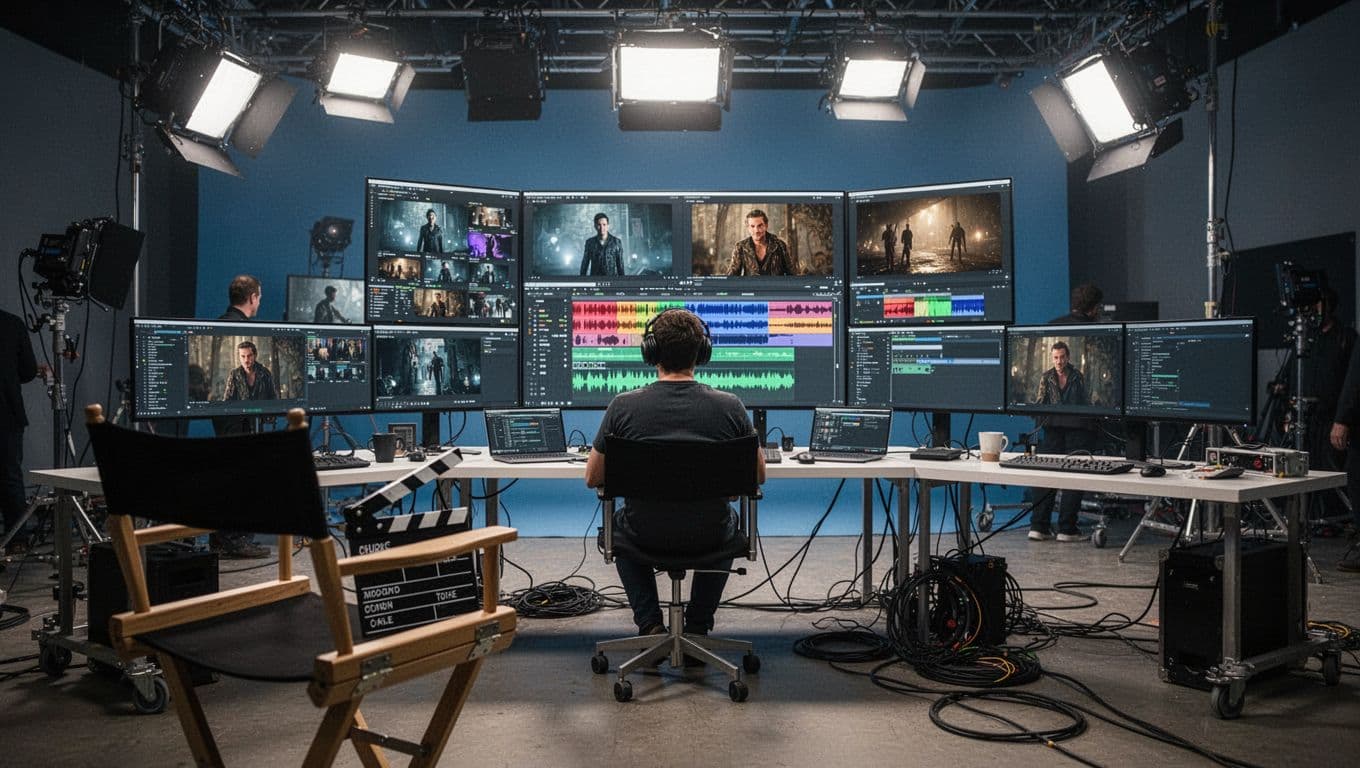 An AI-created view of a modern film workflow where computers do more of the "set work" than cameras.
What ByteDance's Seedance can do that older video AI could not
Earlier video generators could look cool, but you usually saw the seams. Motion got wobbly. Faces drifted. Action looked like a dream that couldn't hold still.
Seedance is scaring people because the outputs are closer to what audiences already trust. Think cinematic lighting, smoother movement, and edits that don't require a full VFX team. The scary part is not one feature, it's the combo of quality plus speed plus ease.
Social feeds are already full of tests and mashups. Some clips look like new scenes from famous shows. Others drop real-world celebrities into situations they never filmed. Reporting has highlighted just how "movie-real" these results can look, and why studios are reacting so fast (see the BBC report on Hollywood studios challenging Seedance).
From one sentence to a polished scene in seconds
The workflow is almost too simple. You prompt, you get a clip, then you tighten it with follow-up prompts. Change the setting. Adjust the pacing. Swap wardrobe. Add dramatic rain. It's like rewriting a shot list, except the shot appears right away.
That speed matters because film production is built on time. A crew day costs money fast. Sets cost money fast. Reshoots cost money fast. With Seedance, one person at a laptop can iterate in minutes on what used to take days.
It's also low-friction. You don't need to be a trained editor to try ten variations. You just keep typing.
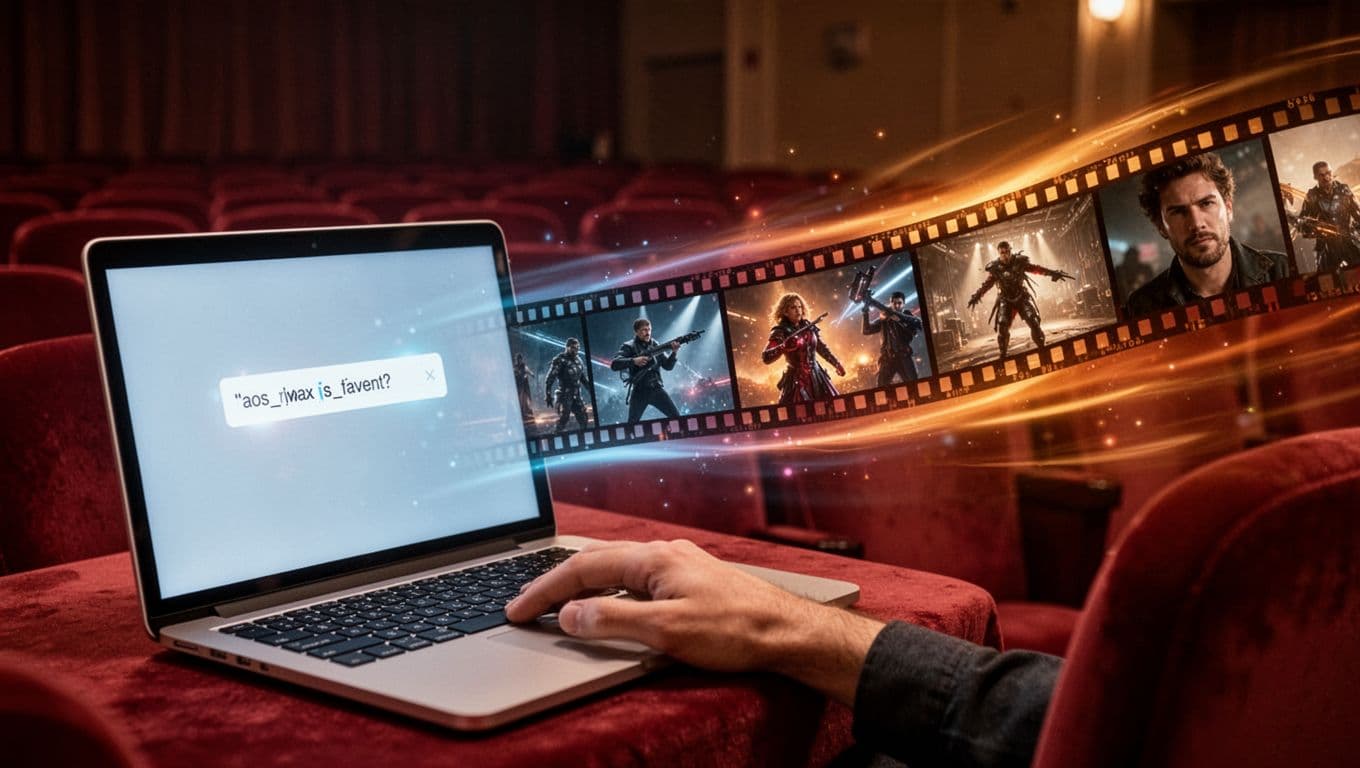 An AI-created visual metaphor for how a short prompt can turn into film-like footage.
Uploading photos and clips makes it easier to copy a real person's face
Text-only video is one thing. Uploads change the risk profile.
If users can feed in images, clips, or audio, it gets much easier to anchor the output to a specific person. That can mean lookalikes that feel uncomfortably close. It can mean voice matching. It can mean stitching together pieces so the final result plays like a real scene, not a parody.
ByteDance has said it blocks some uploads of real individuals, and that some controversial examples came from testing. Still, studios don't trust guardrails that rely on perfect enforcement. People look for workarounds, and history says they usually find them.
The real trigger, Seedance can recreate actors, characters, and whole scenes without permission
Hollywood isn't reacting like this because it hates new tools. Studios already use AI in plenty of places, from pre-vis to marketing.
The panic comes from consent and ownership. Seedance outputs can look like an official trailer, a leaked scene, or a studio-grade action beat, even when no one involved gave permission. That creates confusion first, then financial damage later.
A viral clip that appears to show big-name stars in a new fight scene is a perfect example of the problem. The viewer doesn't stop to ask what model made it. They just feel like they watched something real.
Why studios say this crosses the copyright line
In plain terms, studios invest huge money in stories, characters, and the "signature" of a movie. That includes scripts, recognizable roles, and sometimes specific scenes audiences can name from memory.
When an AI system can generate near-copies on demand, it threatens the business. A studio can't easily sell "exclusive access" if anyone can mint something that looks official. Marketing also takes a hit, because fake clips can swamp the real ones.
This is why the Motion Picture Association has reportedly taken an aggressive stance, with major studios lining up behind it (Variety covered the response in this report on the Motion Picture Association denouncing AI infringement).
Actors are worried too, because their faces and voices are part of the product
Actors don't just "perform," they also rent out their identity through contracts. Their face and voice carry brand value. That value shapes pay, roles, endorsements, and long-term trust.
Even a "lookalike" clip can cause trouble. It can break an image agreement. It can confuse audiences. It can spark rumors that a star joined a project they never touched. And once fake scenes spread, clean-up gets messy.
This fear sits right next to the wider deepfake problem. Fake endorsements are already a thing. Fake scandals too. Seedance adds a new layer because the fakes can look like finished film work, not a glitchy experiment.
Hollywood's response is unusually united, and the fight is just starting
Hollywood studios compete hard. They don't usually join hands unless the threat is existential, or at least feels that way.
This time, the alignment is real. Netflix, Disney, Warner Bros., Universal, Sony, Paramount, and others are reportedly pushing through the Motion Picture Association to pressure ByteDance to stop what they see as infringement. Publicly, ByteDance says it has added protections, including preventing uploads of real people in some cases, and that certain viral examples came from a test phase.
Studios are basically saying: nice try, not enough.
If you've been following how fast AI policy lags behind product releases, this fits a bigger pattern. I wrote about that "speed gap" in AI shifts expected in 2026, and Seedance is a loud example of it.
Why this matters even before Seedance is widely available
A limited demo can still change behavior. People share it. Creators plan around it. Competitors respond to it. Meanwhile, lawyers and regulators are still reading the first round of complaints.
Once Seedance fully launches, distribution does the rest. Millions of users means millions of prompts. And with that comes a flood of "oops, I didn't mean to copy that" excuses.
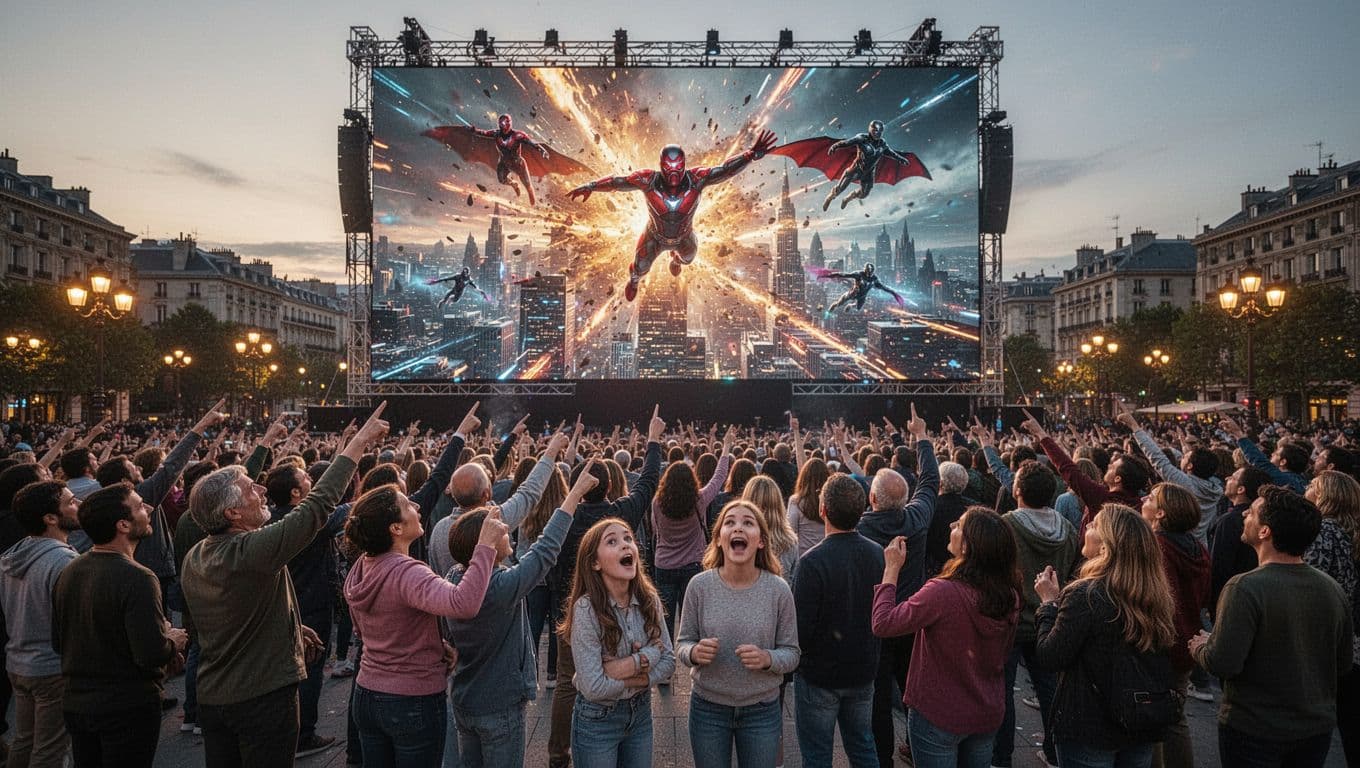 An AI-created scene showing how quickly synthetic movie clips can become "public spectacle" content.
What new rules could look like, watermarking, licensing, and proof of consent
Courts move slowly. Product teams don't. So the near-term battle is likely to revolve around practical safeguards.
Some of the ideas being debated are pretty straightforward:
Watermarking and labels, so viewers can tell what's synthetic. Content matching systems, so studios can detect close copies. Licensing deals, so rights holders get paid when their IP powers generations. Proof-of-consent flows, so an actor replica requires verified approval, not a screenshot.
Creative groups are also getting louder in public, calling out what they see as destructive uses of deepfakes and stolen work (Deadline captured that mood in this piece on Seedance and Hollywood backlash).
If the next "trailer" could be real or fake, trust becomes the product. Lose that, and everybody pays.
What I learned watching this unfold, and how I think creators can protect themselves
I used to think AI video would hit Hollywood last, because film is "hard." Big crews. Big budgets. Lots of gatekeeping. Now I realize the opposite is true. Film is the perfect target because the end result is just pixels and sound. If it looks right, our brains go, yeah, that's a movie.
Also, I keep noticing how the upload feature changes the vibe. Text generation feels like imagination. Uploading a real person's face feels like taking something. Even if the user calls it "fan work," the intent can slide fast.
So if you're a creator, a small studio, or a freelancer, here's what I'd do this month, not next year:
- Tighten your contracts and releases: Add clear terms on AI replicas, training, and reuse.
- Document your originals: Keep dated project files, drafts, and exports. It helps in disputes.
- Learn takedown basics: Don't wait until a fake goes viral to find the forms.
- Stop uploading sensitive source: Raw footage, clean dialogue, and face plates are easy to misuse.
- Watch for impersonation: Set alerts for your name and your work titles, then act fast.
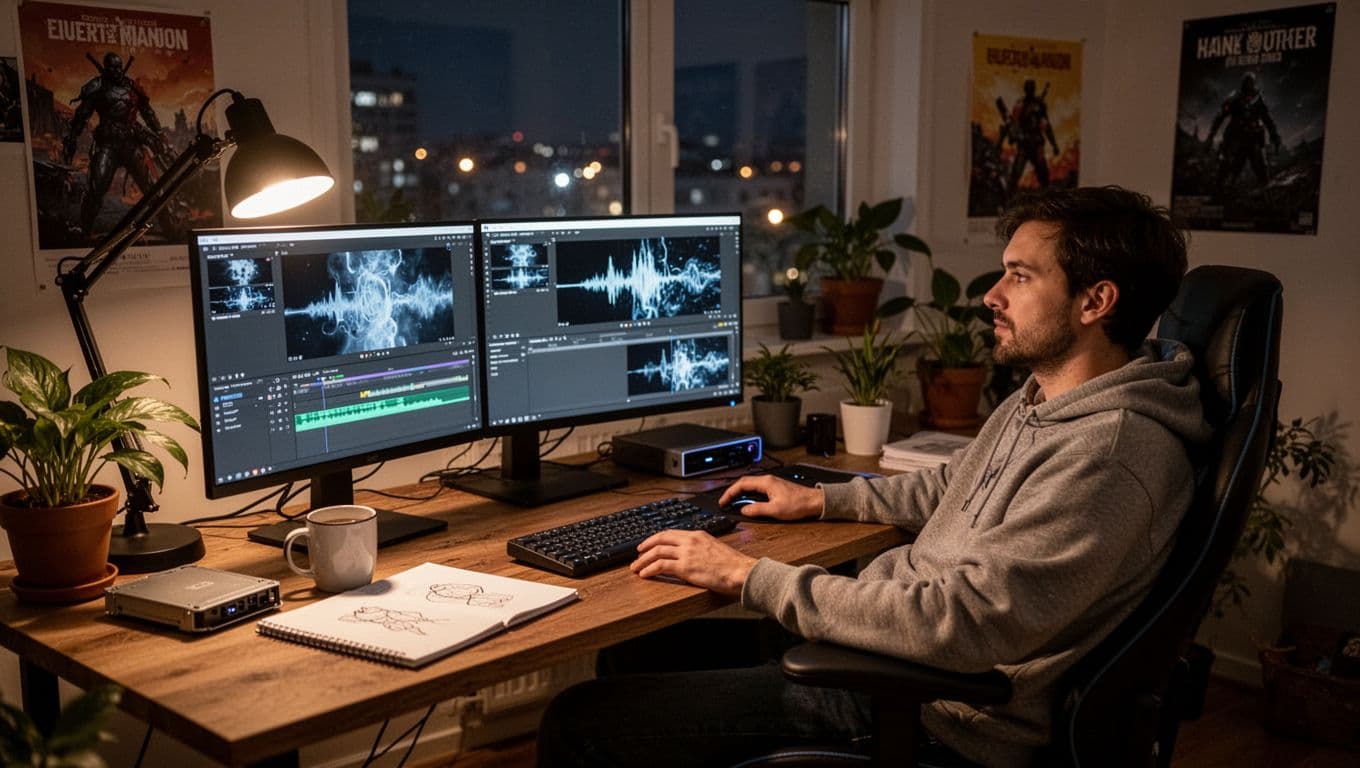 An AI-created snapshot of the kind of home setup where one person can now produce film-like scenes.
Conclusion
Hollywood's panic makes sense because ByteDance's Seedance mixes three things that don't normally arrive together: film-level realism, near-instant speed, and easy copying of protected people and IP. That combo can blur the line between fan edits and fake "official" footage.
Over the next few weeks, expect louder legal pressure, more calls for licensing, and stronger safeguards like watermarking and consent checks. Audiences are going to see more AI-made video either way. The deciding factor will be transparency and permission, because without them, the industry doesn't just lose money, it loses trust.


0 Comments