
January 2026 feels a little… loud. AI is everywhere, in assistants that talk back, feeds that guess what you want, inbox tools that write for you, and apps that try to “help” by making decisions before you even notice you had a choice.
And people are tired. Not just “take a weekend off social media” tired. More like a steady, nagging fatigue from the sameness of it all, especially the flood of low-effort, copycat content that looks different at first glance but reads the same once you’re ten posts deep. Add doomscrolling, constant alerts, and the weird feeling that platforms are doing your thinking for you, and you get a very normal reaction: the urge to step back.
That’s where the analog lifestyle comes in. It’s not a 48-hour detox with a smug selfie at the end. It’s a longer shift, using physical tools and offline habits to feel present again, protect a little privacy, and make daily life less automated. Most people aren’t trying to disappear, they still need the internet for work and staying in touch. The goal is balance, not purity.
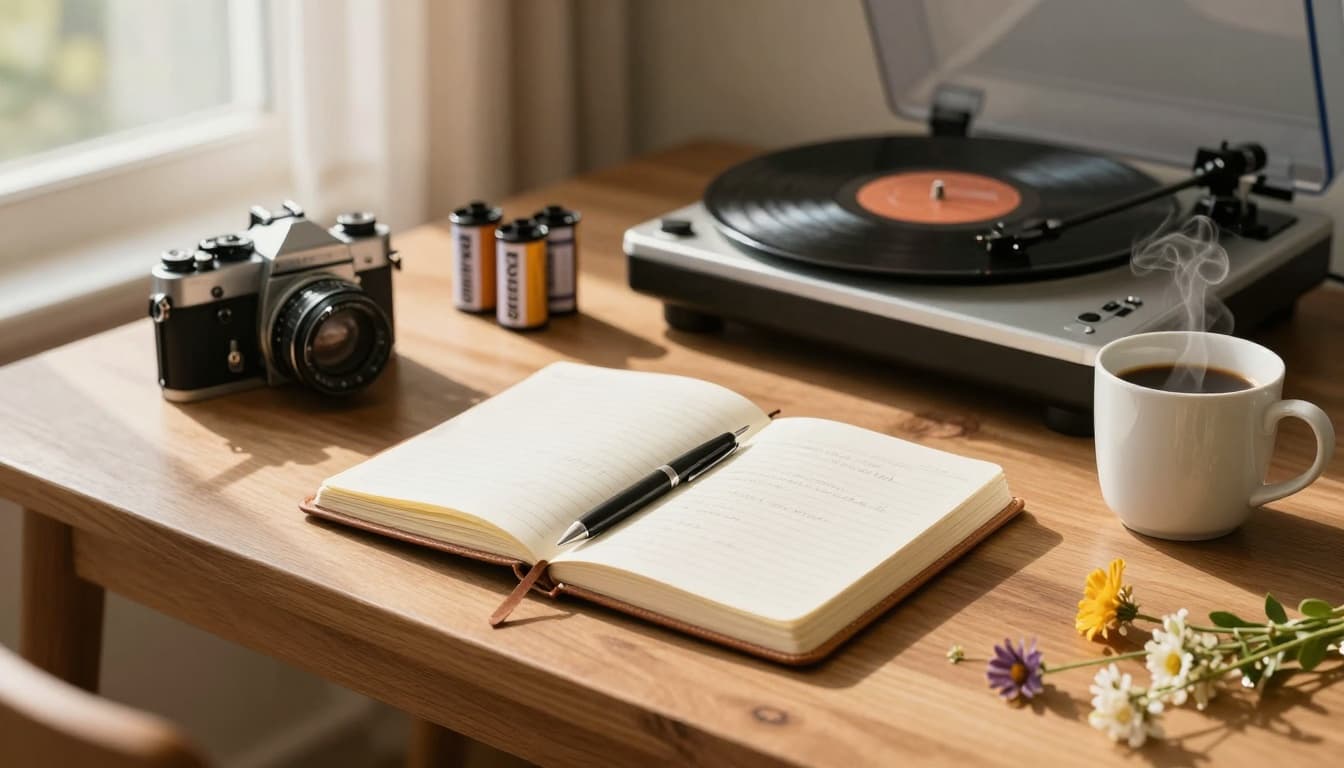 An inviting analog setup with a notebook, film camera, and vinyl record, created with AI.
What “analog living” actually means, and what it does not
Analog living is simple: you choose real-world objects and offline routines on purpose, even when the AI option is right there. You read a physical book instead of toggling between tabs. You write things down instead of trusting a smart assistant. You listen to music without an algorithm steering the mood.
It can look nostalgic, sure, but it’s less about cosplay and more about control. People want their time back. They want attention that stays put for more than 12 seconds. They want to do one thing at a time and actually finish it.
Another big part of it is privacy. A lot of “going analog” isn’t about cutting yourself off from information, it’s about cutting the internet off from information about you. Less tracking, fewer default permissions, fewer apps collecting little crumbs of your day.
And no, it doesn’t mean you hate technology. Most analog-leaning people still use maps, email, group chats, and online banking. They’re just changing the default setting from “always online” to “online when I choose.”
For a snapshot of how mainstream this has gotten, CNN Business recently described the pushback against AI overload and the rise of analog routines like film photography, craft nights, and even landlines in some homes (yes, really). You can see that reporting in CNN’s look at the analog lifestyle shift.
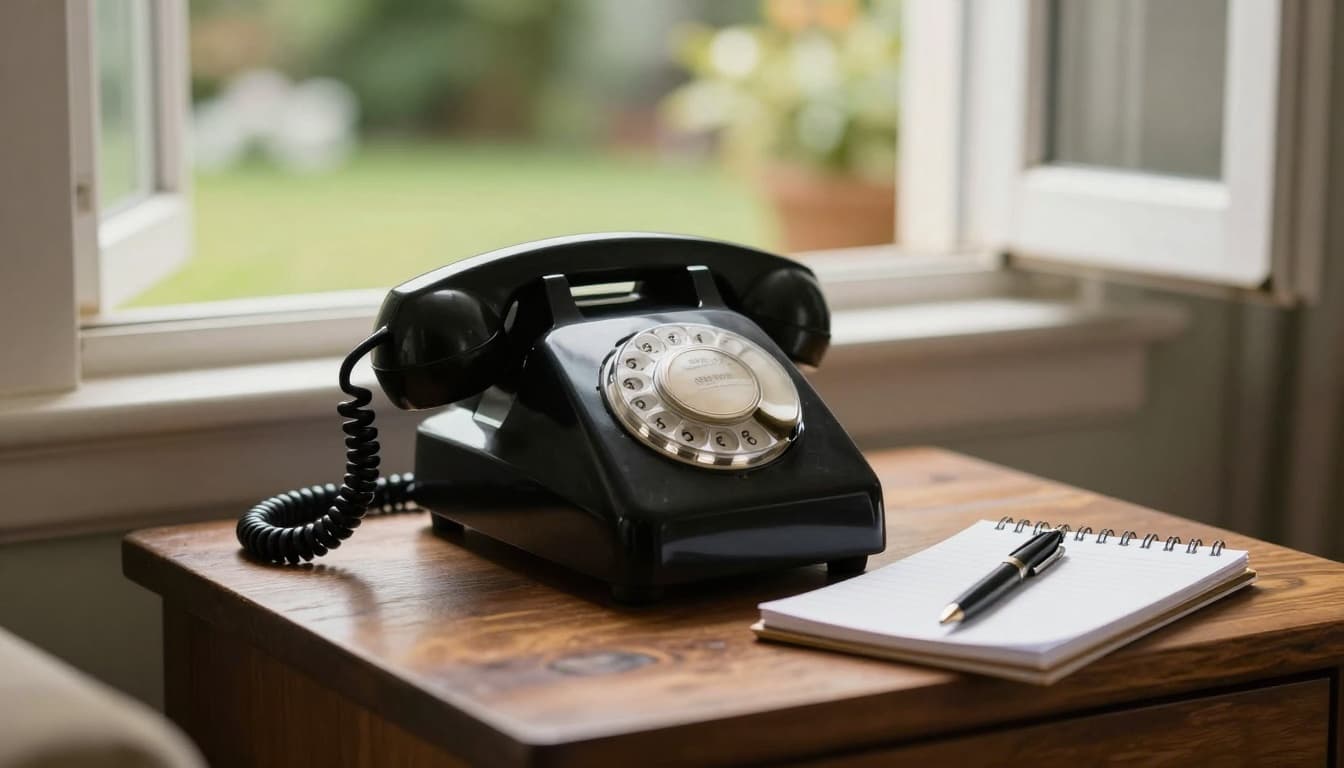 A landline phone and notepad, a small symbol of slower communication, created with AI.
It is not anti-tech, it is choosing tech on purpose
One of the most realistic versions of analog living is “selective tech.” It might mean a landline at home, and a basic phone mode when you’re out. It might mean screen-free Sundays, or setting a hard stop on evening laptop time.
Some people set up rules that sound old-school but work shockingly well, like “call first, don’t text,” or “no phones at the table.” Others keep a smartphone, but remove the apps that turn a spare minute into a 45-minute scroll.
There’s also a funny tension in this movement. A lot of people share their offline life online, which sounds hypocritical until you live it. You can be trying to use your phone less while still using it as a tool for community, work, or even accountability. The contradiction is kind of the point. This isn’t about perfection. It’s about direction.
The real problem people are reacting to: doomscrolling, burnout, and AI content fatigue
Doomscrolling isn’t just “wasting time.” It can push your brain into a stress loop. Repeated negative news, short videos, and endless feeds keep the mind on high alert. People report worse sleep, shaky focus, and that wired-but-tired feeling that doesn’t go away after coffee.
Now layer on AI content repetition. When your feed fills with quick, machine-made posts, it can feel stale fast, like eating chips for dinner. You’re still consuming, but you don’t feel satisfied. That’s part of why “AI slop” fatigue has become a real phrase in media circles, and it’s showing up in broader coverage of 2026’s online burnout. Euronews, for example, connects the dots between AI-driven platforms and user exhaustion in its piece on algorithmic burnout.
People aren’t just annoyed by the noise. They’re worried about what the noise is doing to them: shorter attention spans, less patience for deep work, and less room for original thought.
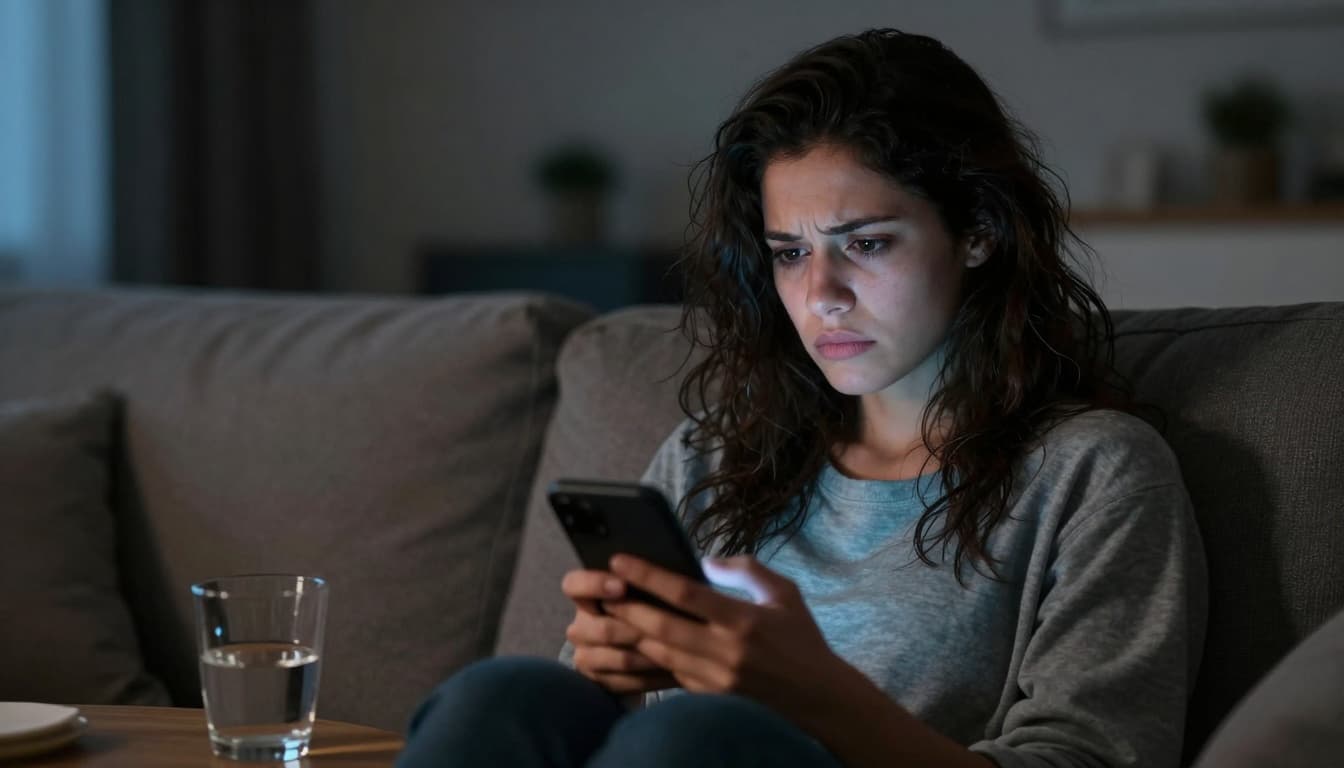 A realistic moment of screen fatigue at the end of a long day, created with AI.
Why this shift is happening now, the 2026 mix of AI overload and a hunger for real life
This didn’t come out of nowhere. It’s more like a pressure valve finally opening.
For years, tech promised convenience. Then the convenience started to feel like dependence. When AI tools began writing, summarizing, recommending, scheduling, and “optimizing” everything, some people realized they weren’t saving time, they were losing agency. Your calendar suggests. Your feed predicts. Your apps nudge. After a while, it starts to feel like you’re living inside a suggestion box.
Retail is also showing clues that this is more than a vibe. One major craft retailer reported a jump in “analog hobbies” searches on its own site in the past six months, plus a big increase in guided kit sales in 2025, and they expect even more growth this year. Yarn kit searches spiked dramatically in 2025 too, a number so high it almost sounds like a typo, but it matches what people are doing: they’re picking up hobbies that keep hands busy and brains calmer.
The trend is hard to measure in neat charts because it’s a lifestyle choice, not a single product. Still, it pops up everywhere: “Analog January,” “Janalog,” planner season content, and lots of “I’m logging off” posts that are… posted online. Funny, but also telling.
For more on the home and wellness side of the movement, House Beautiful frames “going analog” as a calm-at-home trend in its 2026 analog wellness coverage.
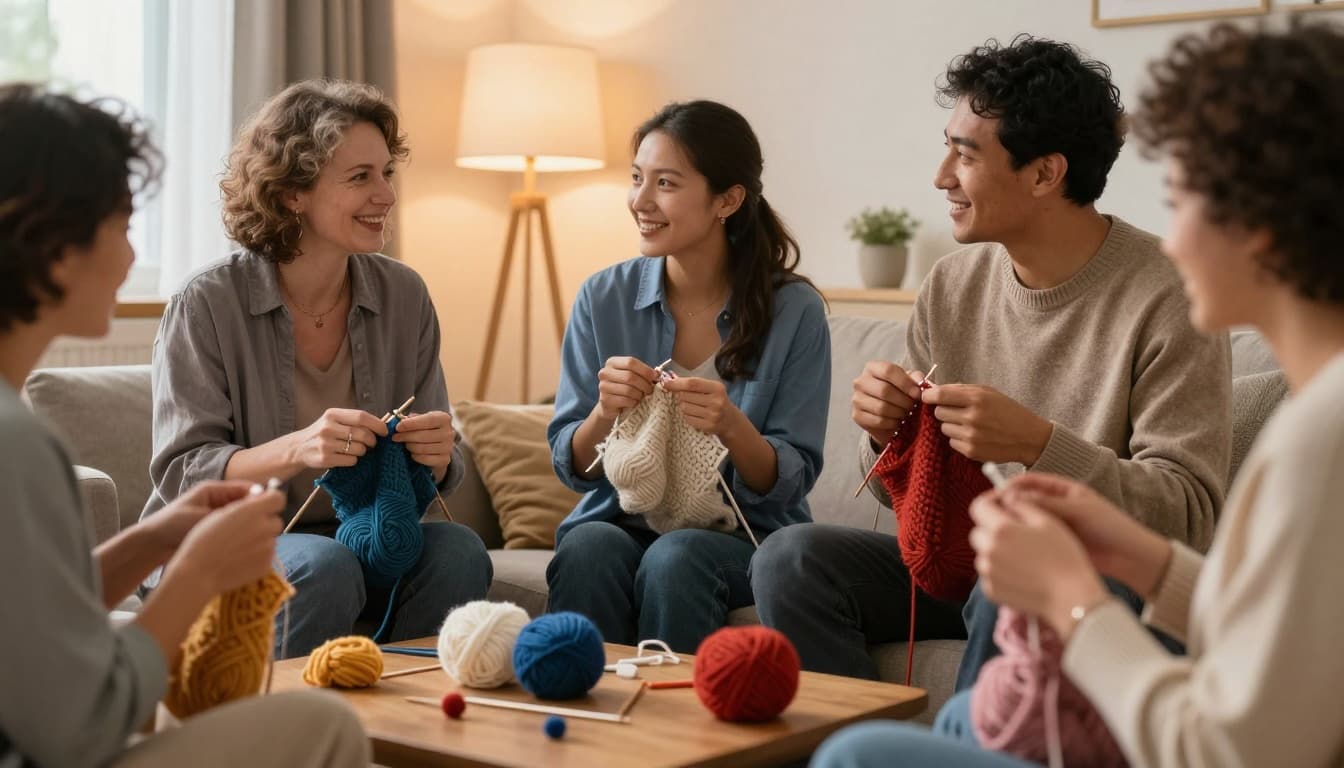 A cozy get-together where people knit and talk without screens, created with AI.
Hands-on hobbies are booming because they calm the brain and keep hands busy
There’s a reason knitting circles, puzzles, book clubs, and film photography are back. These activities do something screens don’t: they give your hands a job, and your mind a single track to follow.
If you’ve ever sat with a group of people stitching, painting, or swapping tips over a table, you know the feeling. Conversation flows without anyone “just checking something.” The silence is comfortable, not awkward. You leave with a sense of progress, not just consumption.
And it’s not limited to knitting. People are journaling, reading paperbacks, playing board games, building models, cooking more, and taking fewer photos but keeping the ones they take. Some are even carrying “analog bags,” basically a tote with a notebook, pen, book, puzzle, or small craft to kill boredom without the phone.
For practical ideas, Shop TODAY rounded up options like crosswords and needlework in its guide to analog activities trending in 2026.
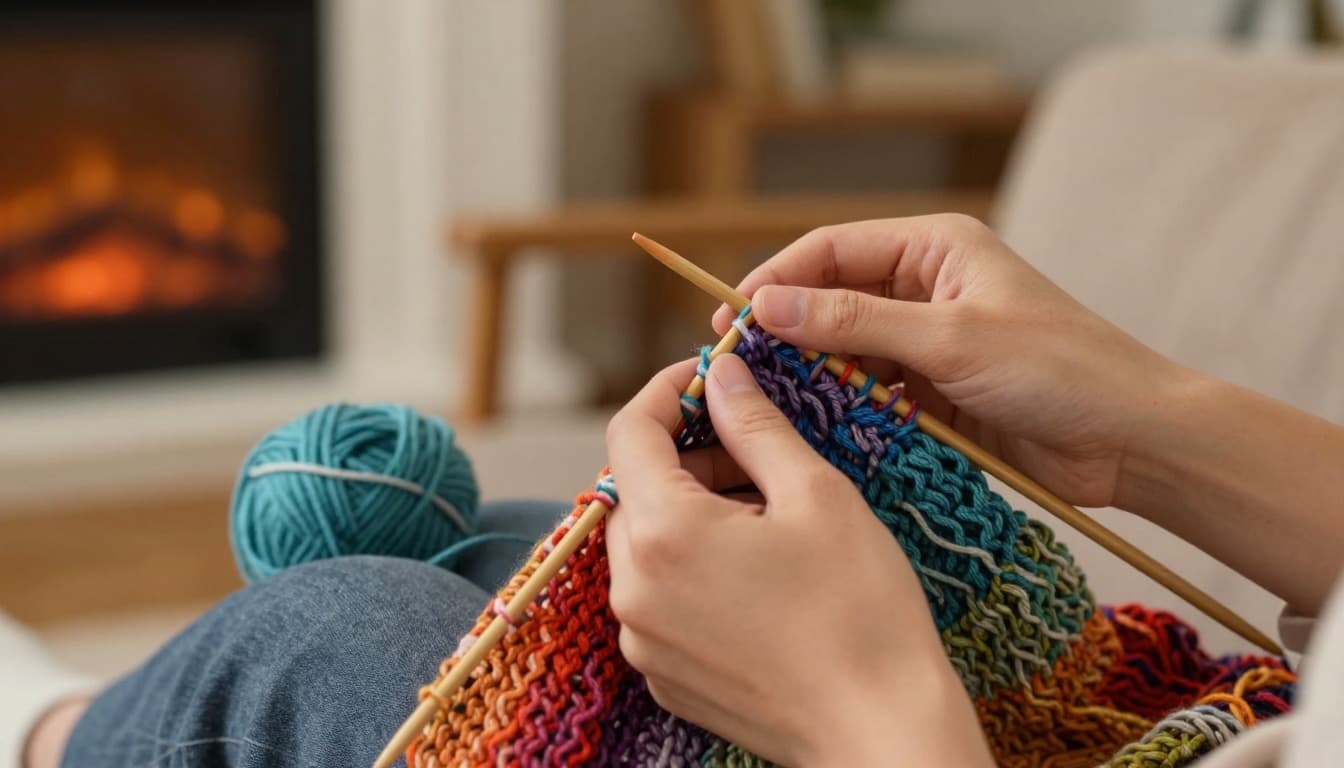 A simple, satisfying hobby that keeps hands busy and thoughts steadier, created with AI.
Some people want less tracking, not less information
This part matters, and it’s easy to miss. Plenty of people still want news, learning, and connection. They just don’t want every click turned into a profile.
So they switch small defaults. A paper planner instead of a calendar that pings your location. A physical alarm clock instead of a phone that pulls you into notifications at 6:30 a.m. A notebook for private thoughts instead of an app that syncs to who-knows-where.
Some even back away from big “all-in-one” suites and use simpler tools. Not because they’re paranoid, but because it feels healthier to have parts of your life that don’t generate data trails. In 2026, that’s starting to feel less extreme and more… normal.
Easy analog swaps that stick, plus the friction points nobody warns you about
If you’re curious about the analog lifestyle, start with swaps that match your real life. The mistake is going too big, too fast, then snapping back. Better to pick a few changes that you can repeat on your worst Tuesday.
Mornings are the easiest win. A phone-free first 30 minutes changes the whole day. Put the phone in another room, use an alarm clock, then do something that wakes your brain gently. Coffee, a shower, a page or two of a book, a short walk. It feels almost suspiciously peaceful.
Evenings are the second win. This is when doomscrolling hits hardest because you’re tired and your guard is down. An analog alternative helps, something you can actually finish: a chapter, a crossword, a few rows of knitting, a letter, a simple recipe.
Weekends are where it gets fun. You can plan a device-free dinner, a board game night, a library visit, or a craft circle. The point isn’t to “replace” your phone with productivity. It’s to replace scrolling with moments you can remember.
Here’s the friction part. Modern life still demands online access. Events live on social platforms. Maps and transit updates are digital. Some restaurants use QR menus. Friends coordinate in group chats. Small businesses often need the internet for outreach, even if they personally want less of it.
A “good enough” plan can look like setting offline hours at work (say, two blocks a day where notifications are off), then going back online when needed. It’s not a moral stand, it’s a rhythm.
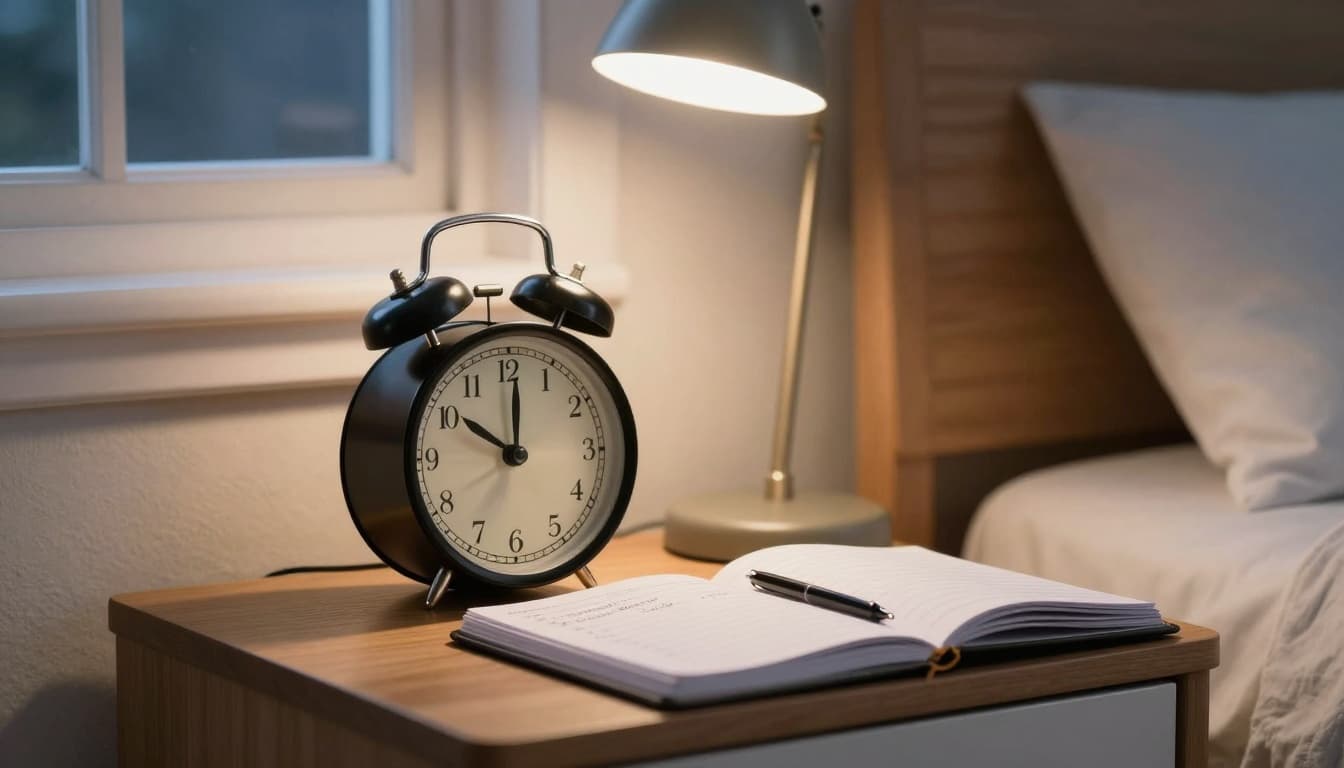 A small swap that can protect sleep and reduce morning scrolling, created with AI.
Small upgrades that make a big difference in a week
The swaps that stick tend to be boring in the best way. A call-first rule with close friends so texting doesn’t drag on all day. A dumb phone mode that removes the apps you always “accidentally” open. Paper grocery lists so errands stay quick.
Music helps too. Listening on vinyl, CDs, or an old-school player changes how you pay attention. You stop skipping after 12 seconds. You hear a whole album again.
And yes, handwritten notes still work. Postcards, letters, even quick “thinking of you” notes. They feel oddly brave now, like you’re stepping out from behind a screen.
For a New Year angle on this, Deseret News framed the idea as resisting constant phone time through planners, hobbies, and new routines in its 2026 screen-time reset story.
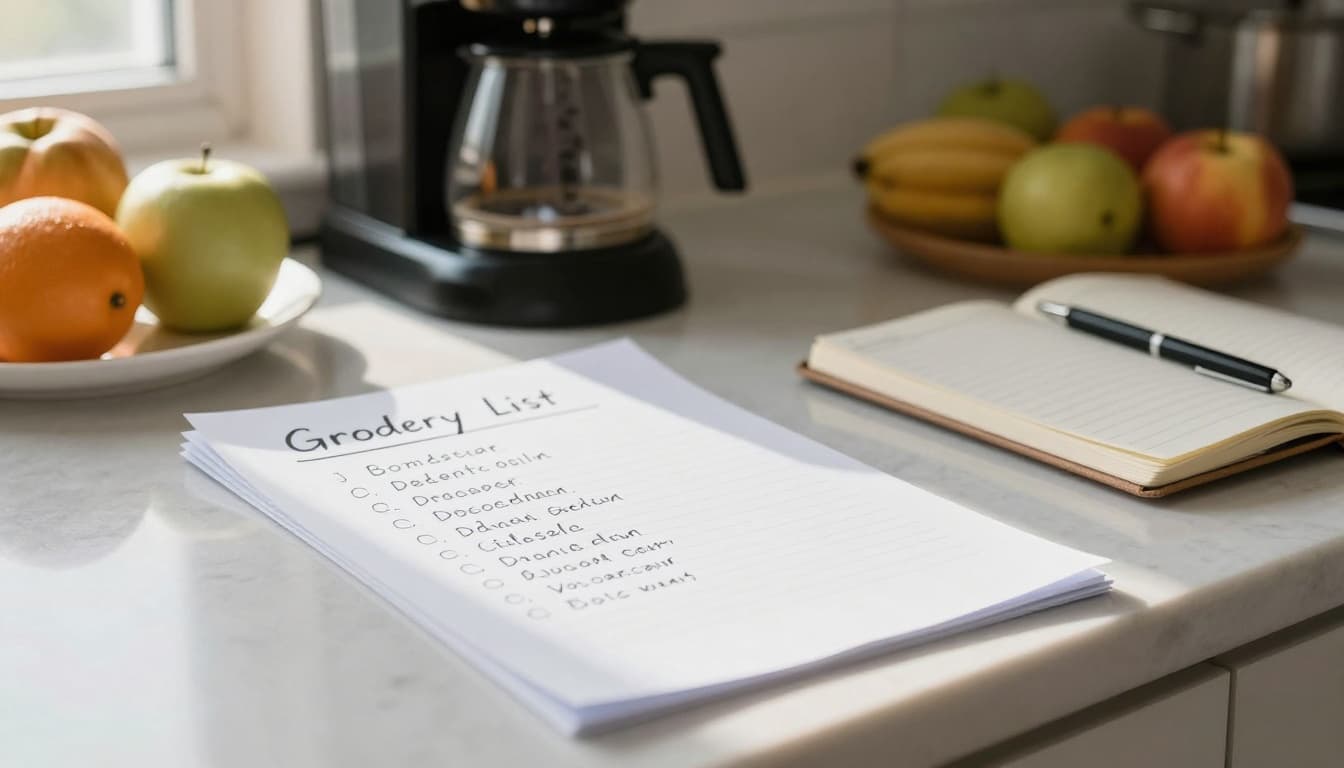 An everyday analog habit that reduces decision fatigue and distraction, created with AI.
Where analog living gets tricky, and how to make peace with “good enough”
Two things tend to trip people up.
First, the “performance” feeling. If you’re doing analog living to prove something, it can feel fake, even if the habits are good. The cure is private wins. Do things nobody sees. Read a book without posting it. Take a walk without tracking it. Let it be yours.
Second, the purity trap. You don’t need to quit everything. Pick a few non-negotiables you can keep even when life is messy:
- No phone in bed
- One screen-free meal a day
- One offline hobby session a week
Then allow exceptions for work, safety, and real needs. Keep a plan for emergencies. Use maps when you need them. Text your mom back. The point is to be intentional, not isolated.
One more thing that helps, replace scrolling with something you can complete. A row of stitches. A page of journaling. A chapter. A small done thing feels better than an hour of “just one more.”
What I learned trying it myself, a realistic “analog week” that still fits modern life
I tried this as an actual week, not a weekend stunt, and the first morning surprised me. It was easy. Too easy. I made coffee, wrote a short plan in a notebook, and read a few pages of a paperback like I used to. No phone in my face. I felt calm, almost smug.
Then the cravings showed up. Standing in line, my hand reached for my pocket on instinct. Sitting at my desk, I wanted a quick scroll “just to reset.” One afternoon I caught myself unlocking my phone without knowing why, like my thumb had its own agenda. It was a little embarrassing.
Midweek is when it started to pay off. I read more without forcing it. I noticed small things again, the weather, people’s faces, how a street sounds when you’re not wearing headphones. I also felt less jumpy. When I worked, I worked. When I rested, I actually rested.
I wasn’t fully offline. I still used the internet for basics and messages. But I used it like a tool, not a default home base. That felt like the whole point.
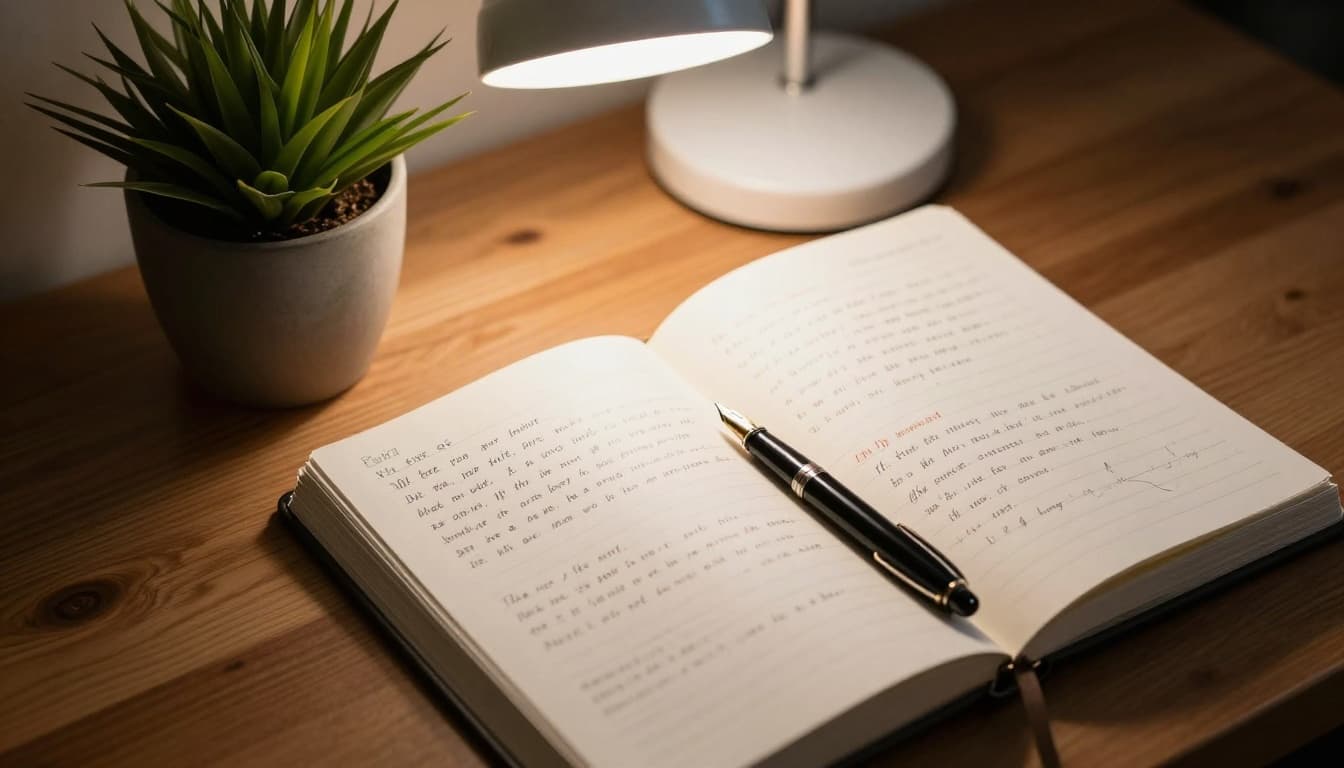 A quiet moment of reflection that doesn’t need an app to count, created with AI.
Conclusion
Analog living in 2026 isn’t about rejecting AI or pretending it’s 1997. It’s a way to protect your attention, reduce tracking, and bring back small joys that screens tend to flatten. The best version of it is practical and forgiving, not dramatic.
If you’re curious, try one swap for seven days. Just one. A paper book at night, a phone-free morning, or a weekly hobby that uses your hands. See what changes.
You might find that less automation doesn’t mean less life, it can mean more of it, the kind you actually remember.


0 Comments